
GetResponse automation is a visual workflow builder for email and web follow-ups, with the right fit depending on the features and workflow access your marketing needs. Its web automation can respond to site visitors who have not subscribed, which is an unexpected way to reach potential customers.
You can connect email campaigns to customer actions, then guide people toward a sale or another goal. Available tools depend on your plan, so this review weighs features, pricing, and ease of use for different marketing needs. Your best-fit plan depends on the complexity of the journey you want to automate.
Key Takeaways
- GetResponse connects email follow-ups with website behavior.
- A visual builder combines actions, conditions, and filters.
- Plan choice affects workflow access and available elements.
- Templates can help you start common customer journeys.
- Measure clicks and conversions alongside reported opens.
How Does GetResponse Automation Work?
A workflow begins when a trigger, such as a link click or a purchase, tells GetResponse which action to take next. That trigger links customer behavior to email or web follow-ups, so each campaign can respond to what someone does.
A workflow combines actions, conditions, and filters to shape the next step. Actions send messages, wait, add tags, score contacts, or send push notifications. Conditions check for events, while filters narrow which contacts continue.
Use autoresponders for timed sequences and behavior-based workflows when the next message depends on what a contact does.
Email triggers and timed follow-ups
GetResponse email marketing connects campaigns to customer actions, such as opens, link clicks, and purchases. A GetResponse autoresponder sends a timed sequence, while a workflow can send a follow-up after a contact clicks a link.
An email autoresponder can send at signup, after a delay, or at a specified time. You can send an unlimited number of autoresponder messages from one list.

Cycle days help you space a sequence from the subscription date. If a selected send day is blocked, GetResponse sends the message on the earliest allowed day.
| Cycle day | Relative timing | Send-time options | If the selected day is blocked |
|---|---|---|---|
| Day 0 | Day of subscription | Signup, delay, or specified time | Earliest allowed day |
| Day 3 | Three days after subscription | Signup, delay, or specified time | Earliest allowed day |
| Day 7 | Seven days after subscription | Signup, delay, or specified time | Earliest allowed day |
| Day 14 | Fourteen days after subscription | Signup, delay, or specified time | Earliest allowed day |
Website behavior and personalized actions
Website conditions can respond to abandoned carts or visited URLs, as well as purchases. That lets you tailor a follow-up to a product page visit instead of sending every customer the same email.

Web automation can react to site visitors even when they are not subscribers. Email actions reach contacts through their inbox, while web-push notifications reach people through their browser.
GetResponse also lists landing pages, SMS, forms and popups, funnels, and webinars among its platform features. Marketer and Creator plans include unlimited web-push notifications, giving you another way to reach people outside email.

How Do You Build a Workflow in GetResponse?
Before adding workflow blocks, decide which customer action should start the journey and have the messages or signup assets ready. A clear starting point helps you choose the right trigger and build a useful marketing automation path.
You can build a workflow from a template or start with a blank canvas. Templates arrive with selected elements, and some may already have settings in place. Starting blank gives you control over the mix of building blocks.

Start from a template or a blank workflow
Choose a template when its structure fits the customer action you want to address. A blank workflow lets you set each action, condition, and filter to match your audience and goals.
Either option still needs your campaign content and settings. Add the trigger first, then decide which actions should follow and what conditions will guide contacts along different paths.
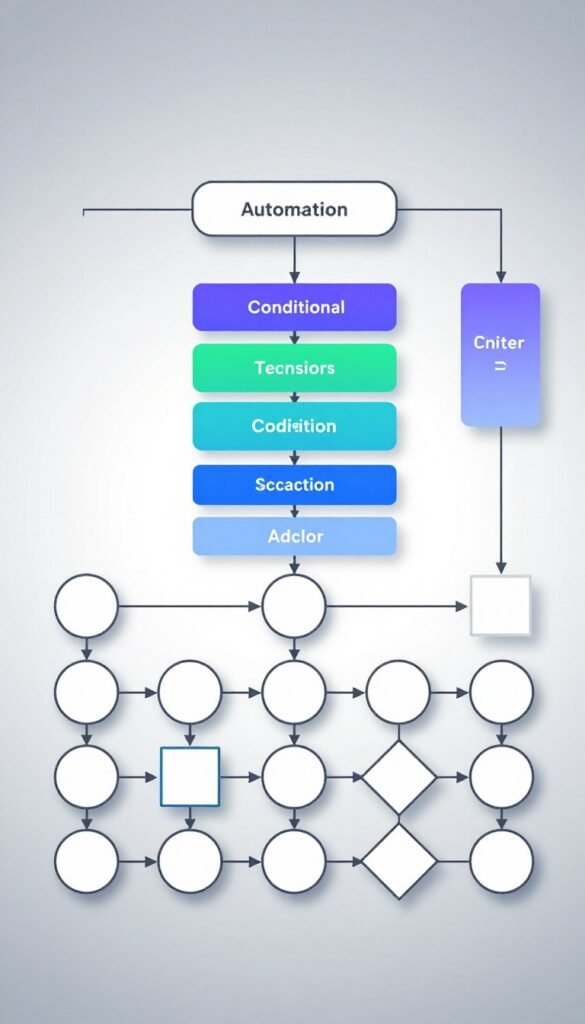
Configure, test, and publish your sequence
Use this five-step process to turn an idea into a published workflow:
- Prepare the message and signup or landing-page assets.
- Open Automation and create a workflow.
- Choose a template or start from scratch.
- Add the trigger, actions, conditions, and filters, then configure the message or page.
- Review the path, then save and publish the workflow.

You can save a workflow outline and exit before its messages or other assets are ready. Create the missing assets, return to the outline, then finish and save it before publishing.
Review every branch, including paths that stop or wait after a condition. Treat the final review as a path check, confirming that each trigger leads to the intended message or action.

What Does GetResponse Automation Cost?
Starter begins at $19/mo, while unlimited custom workflows start with Marketer at $59/mo. The main price difference is workflow access, though each tier also connects automation with different marketing tools.
Starter limits you to one custom workflow with up to six elements. It excludes tags, scoring, courses, and ecommerce tools from Starter workflows. Marketer workflows do not support webinar or course elements.
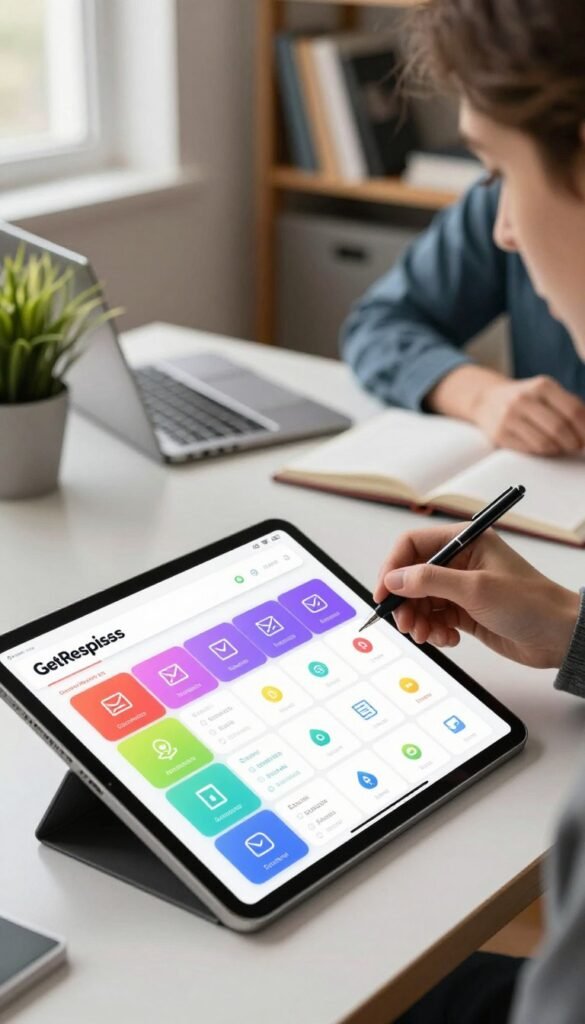
Starter and Marketer workflow access
Annual billing lowers the listed monthly cost for Starter and Marketer. The table compares each plan’s price and the main features tied to its automation access.
| Plan | Monthly price | Annual-billing price | Automation access and notable inclusions |
|---|---|---|---|
| Starter | $19/mo | $15.58/mo | 1 workflow, up to 6 elements; no tags, scoring, courses, or ecommerce tools |
| Marketer | $59/mo | $48.38/mo | Unlimited workflows, abandoned-cart recovery, segmentation, sales funnels, revenue reports |
| Creator | $69/mo | $56.58/mo | Unlimited workflows, webinars, course creator for up to 500 students |
| Enterprise | Custom pricing | Custom pricing | Unlimited workflows, webinars, SMS, mobile push, transactional emails, dedicated IP |
Marketer includes advanced audience segmentation, abandoned-cart recovery, sales funnels, and revenue reports. Those tools can support sales-focused marketing campaigns, but its workflow elements exclude webinars and courses.

Creator and Enterprise features
Creator adds webinars and a course creator for up to 500 students. Enterprise has custom pricing and includes unlimited workflows, webinars, SMS marketing, mobile push notifications, transactional emails, and a dedicated IP address.
GetResponse webinar software supports live and on-demand events, recording, chat, registration pages, and automated follow-up emails. Its webinar offering lists 100 live attendees and three hours of recording storage; its higher-tier offering lists 1,000 attendees and 20 hours.

Paid plans include unlimited monthly email sends. The Free account allows 2,500 monthly messages, including newsletters, autoresponders, A/B tests, and automation messages.
The cap applies to both the 14-day account with premium features and free-for-life accounts that did not upgrade after the premium period. Confirmation and other notification emails do not count, but sending stops when the account exceeds its cap, and over-limit recipients receive no messages.
A 14-day trial requires no credit card. Match the tier to the specific workflow elements and connected marketing features your campaigns require.

What Makes GetResponse Automation Easy or Difficult to Use?
A ready-made template can reduce the blank-page work, but you still need to supply the campaign details and assets it uses. The useful shortcut is a starting structure, not a finished customer journey.
Templates cover common marketing automation needs, but each workflow still requires your messages, lists, and element settings. You can also build from scratch by combining actions, conditions, and filters to suit a specific campaign.

Templates for common customer journeys
GetResponse templates cover welcome, abandoned-cart, engagement, retention, lead-qualifying, and post-purchase campaigns. Other options address sales promotions, webinars and events, and online courses.
A template can give you a path to edit instead of a blank screen. You still need to match its content and settings to your list, offer, and intended customer action.
- Abandoned-cart reminder
- Welcome new contacts
- Basic scoring plan
- Post-purchase follow-up
- Webinar promotion
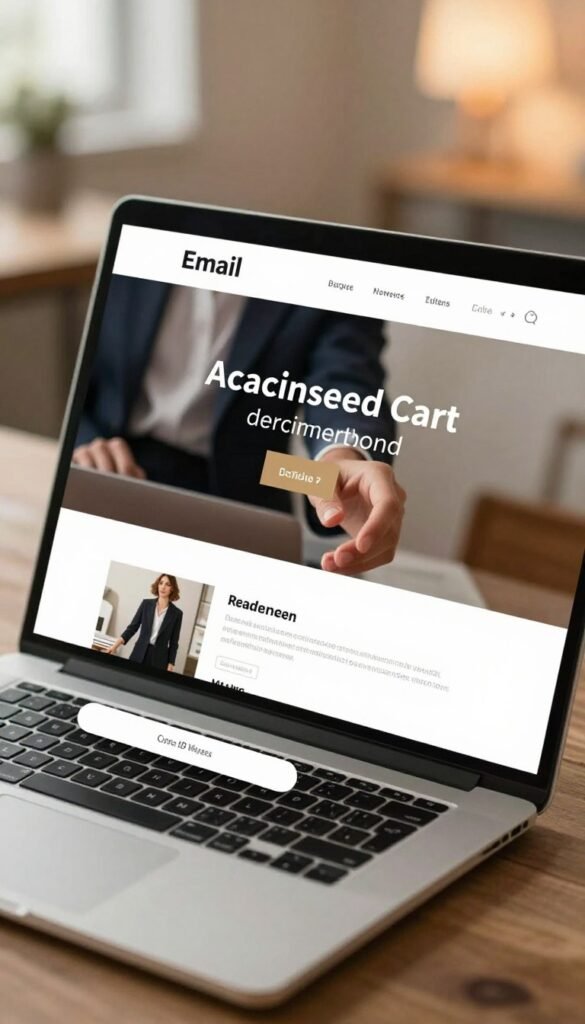
Prepare workflow assets before publishing
Building from scratch can suit a customer journey that does not match a ready-made pattern. You choose how the three element types work together, then set each element’s properties for your campaign.
The setup can pause if an asset is unfinished. Save and exit the workflow, create the missing message or signup page, then return and complete the workflow before publishing.

That pause helps when you have a campaign outline but still need to write or build one piece. Prepare the message and signup assets before finalizing the workflow so each selected element has something to act on.
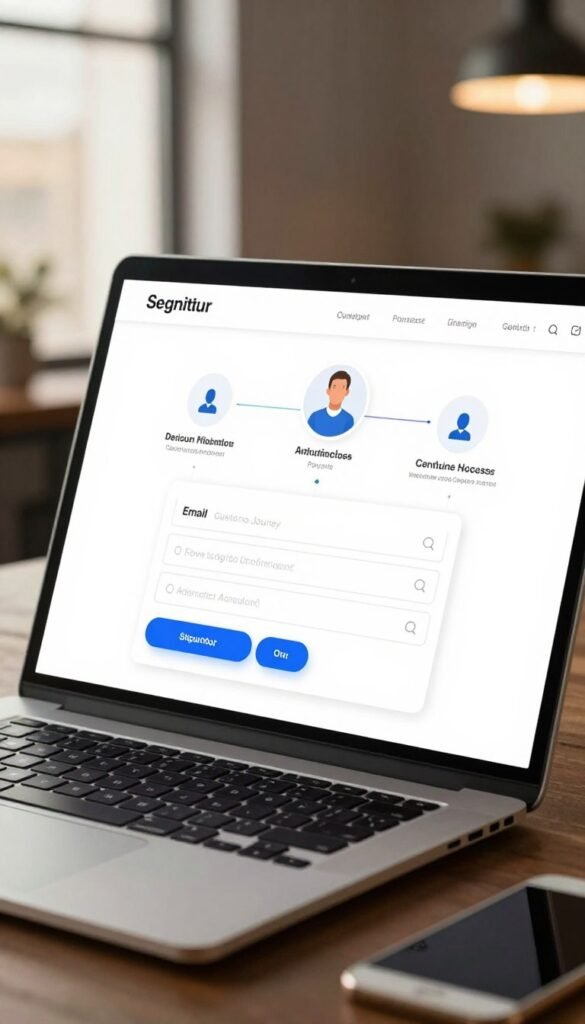
How Can You Tell Whether Automation Is Working?
Compare the actions generated by an automated message with the goal you set for its customer journey. Clicks and conversions show whether a campaign is moving people toward the result you wanted.
Triggered emails average a 5.02% click-through rate, compared with 3.25% across all industries. Their average open rate is 45.38%, while the all-industry average is 39.64%.

Benchmarks are reference points, not promises of the result your campaign will earn.
These figures can help you compare a triggered message with broad email patterns. Your audience, offer, and message still shape the response, so a benchmark does not set a required target.
Open rates need extra care because Apple Mail Privacy Protection and bot activity can inflate or distort reported opens. Treat opens as a directional signal, then give clicks, conversions, and revenue more weight when they match the campaign goal.

The all-industry unsubscribe rate averages 0.15%. A rise in unsubscribes may signal that a message or its timing does not fit the people receiving it.

Review clicks and conversions alongside unsubscribe activity to decide what to adjust in the next campaign.
Conclusion
GetResponse automation is a flexible option when its workflow elements and plan features line up with your marketing goals. It can connect email and web actions, while the right tier depends on the paths and tools your campaigns need.
Before choosing a plan, map a welcome sequence on paper. Name its trigger, list the messages you want to send, and state the customer action each message should support.
Sketch your first welcome journey, then choose the tier that supports the actions it needs.